

At Genwell, our philosophy around food and nutrition is founded on evidence-based practice and aims to support our clients to build meals and food habits that are nourishing and sustainable. GLP-1 weight loss medications work by reducing appetite and increasing the feeling of fullness – this leads to people eating less overall. It is important to ensure that the body is still receiving the healthy balance of nutrients it needs to support all of its normal functions.
Structuring meals
At a very basic level, weight loss occurs when energy intake is less than energy use. However, food is more complex than just ‘calories’, and although energy is important, food provides far more; all of the nutrients needed to build and maintain our bodies.
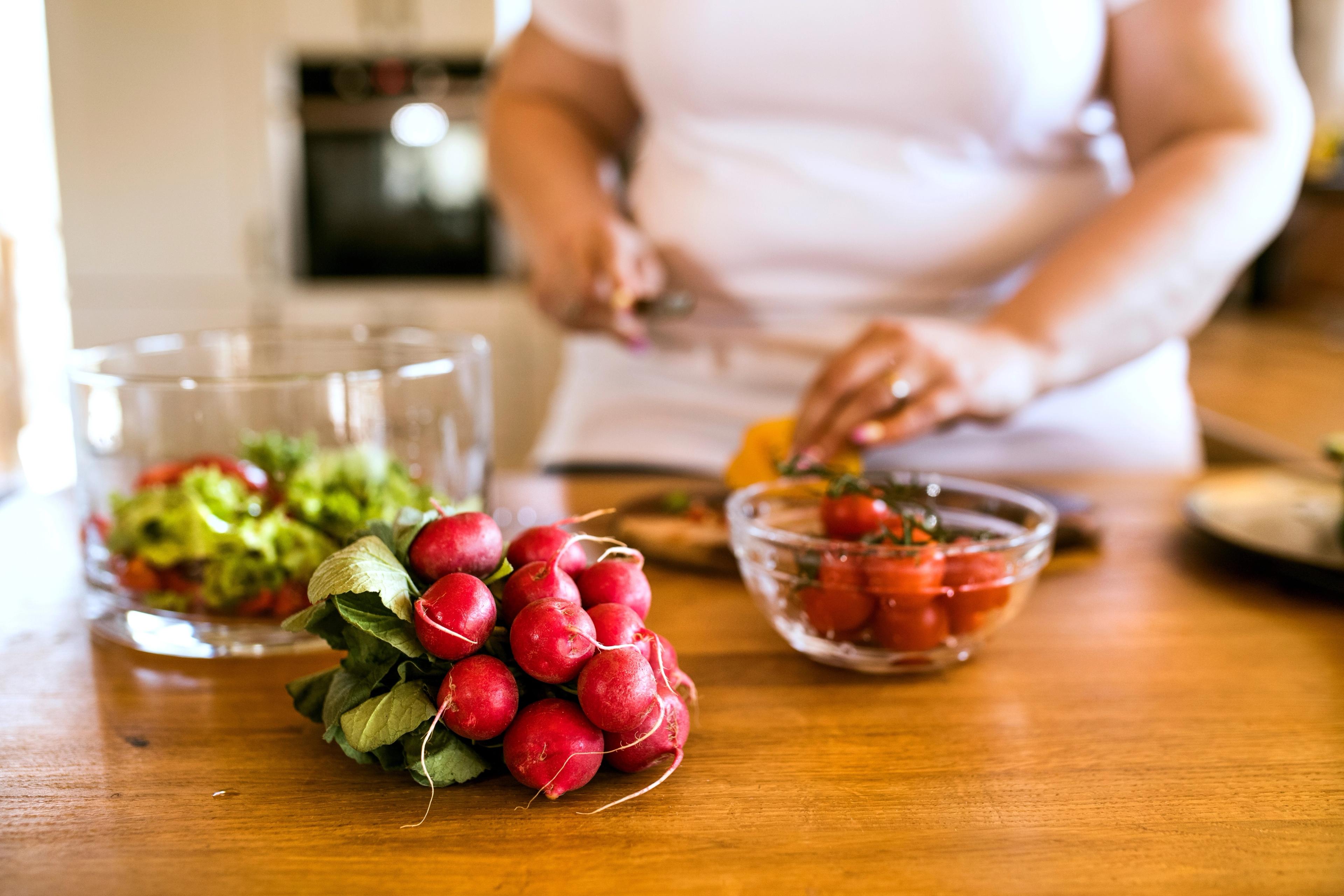
As a general template for meals, the following structure can be helpful:
- ¼ plate protein – to preserve muscle mass during weight loss
- e.g., eggs, dairy, lean meat, fish, seafood, tofu, beans and pulses
- ¼ plate complex carbohydrates – to provide energy, fibre and satisfaction
- e.g., potatoes, wholegrain rice, wholemeal pasta, seeded or wholemeal bread
- ½ plate non-starchy vegetables – to provide fibre and a variety of key micronutrients and vitamins
- e.g. leafy greens, broccoli, cauliflower, peppers, tomatoes, aubergine, green beans, carrots, etc.
- Fats
- Smaller portions of healthy fats are key to helping your body absorb key vitamins and nutrients. e.g., avocado, oily fish, olive oil, nuts and seeds
These options can be adapted to suit different food preferences, cultures and accessibility.
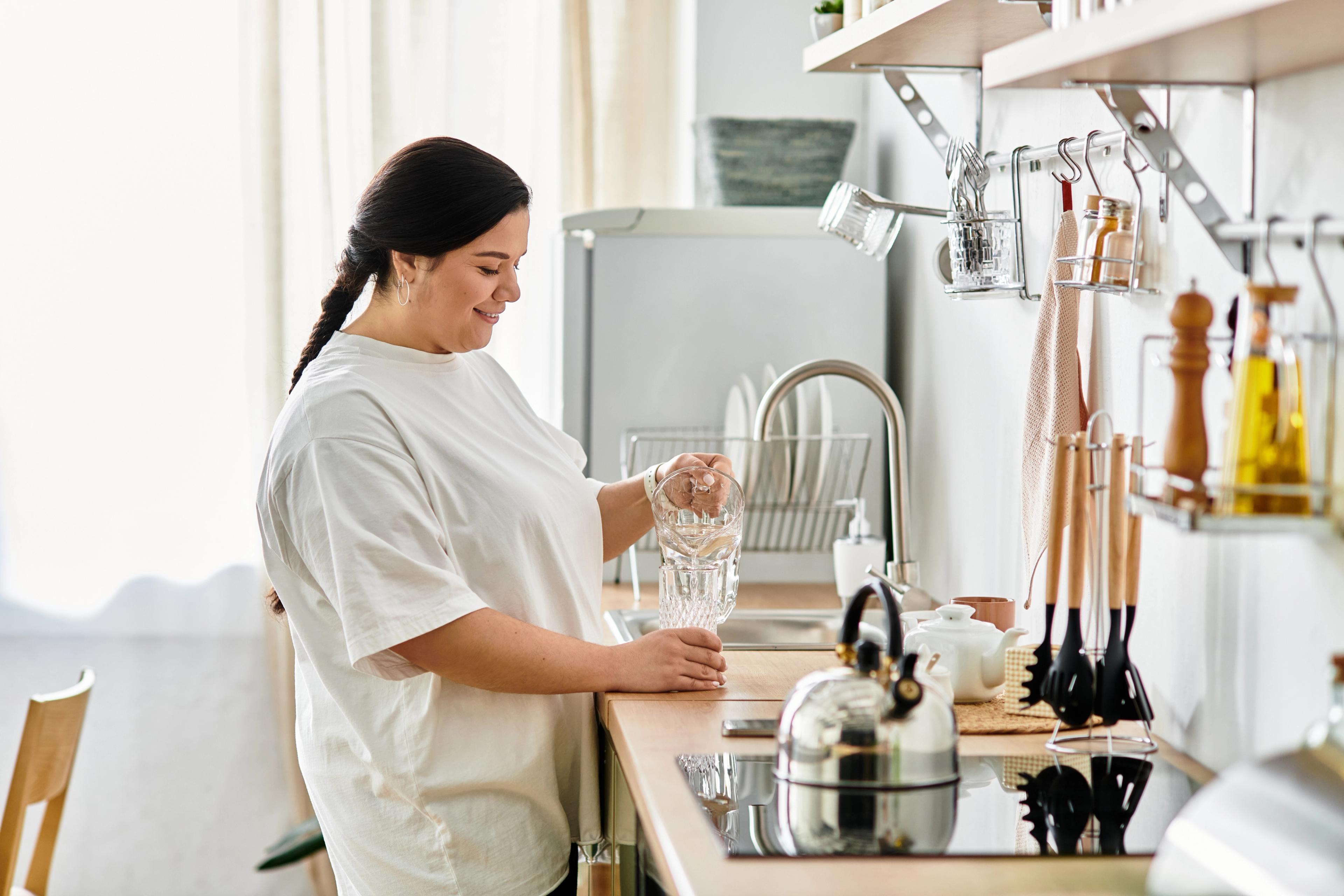
Hydration is also important. A useful general rule is to aim for around 2 litres of fluid a day, although you may need to drink more in hot weather or with more physical activity or sweating. Water, milk and hot drinks all count towards your fluid intake.
The weight-loss phase on GLP-1 medications can be a valuable opportunity to establish good eating habits that support you long term. Creating sustainable routines that work for you can promote weight maintenance and lasting health. Balanced nutrition can also support other goals alongside weight loss, such as having more energy, feeling stronger and improving hair and skin condition.
Key messages
- When eating less, it is important to maintain balance and ensure that your body is getting the fuel and nutrition it needs
- Keeping food options flexible can help make changes sustainable and work for you – your food preferences matter, and you can still enjoy eating when taking weight loss medications.
- Nutrition is part of a holistic care plan and should be considered alongside other aspects of lifestyle, such as activity levels, sleep and stress management.
- Hydration is also important – aim for around 2 litres of fluids a day.
What our clinical experts say
At Genwell, our wellbeing coaching sits alongside medical treatment. Medication can support appetite regulation, but long-term success comes from building sustainable habits. Our team will help you protect muscle mass, support metabolic health and strengthen your relationship with food. We take a whole-person approach, considering nutrition, movement, sleep and emotional wellbeing so progress feels steady and supported rather than restrictive.
Bogomila Tosheva
Genwell reflections
At Genwell, we aim to support our clients in fostering a positive relationship with food that supports their wellness and weight loss journey. Food and nutrition are important aspects of any weight loss journey. Getting the nourishment your body needs will support your progress, overall health and wellness. Wellbeing coaching and support from your Genwell care team can help you to find the right balance of nutrition when losing weight with GLP-1 medications.