

Will using GLP-1 medications change the way I eat food and take that pleasure away from me?
Food, glorious food! For many of us, food is more than just fuel for our bodies; it can be a source of pleasure, comfort, and joy. Our relationship with food is shaped by many things, including our upbringing, culture, and living situation, to name a few. But whatever has shaped yours, it might show up as the comfort of that Friday-night takeaway or the shared joy of a meal with loved ones. And that’s something you don’t want to lose.
Our relationship with food can be complicated, and at times of stress, low mood, or anxiety, food can become a way of coping, which makes sense in the moment. But if it becomes our only coping strategy, it may not be so helpful long-term. For some people. meeting their emotions with food can be followed by feelings of regret and guilt, and over time may affect wellbeing in ways they'd like support with.
So yes, it’s complicated. Food is an essential part of our everyday lives; it provides joy and comfort, in both easier and more difficult moments, and it's natural to wonder whether your relationship with food might change. Some people notice shifts over time, and with the right support, these changes can feel more supportive rather than something to fear.
The joy of eating …and the problem with diets
We know what it’s like, you start a new diet, determined to lose weight, and after the initial burst of enthusiasm to get on board with your new meal plan, you quickly realise that the foods you enjoy the most are off the table – literally.
Put simply, diets rely on restriction – whether that’s carbohydrates, fat or sugar, you are probably putting some of your favourites onto that “banned” list, and limiting your options in social situations like eating out or attending celebrations.
What’s more, when you do stick to the diet, after eating your carefully planned meal, you may still feel like something is missing or you’re not quite satisfied. Invitations to social events can start to feel harder, and over time, the diet becomes difficult to sustain. So, what’s different about GLP-1 medications?
Firstly, this is not a diet. There are no strict rules about what you can and can’t eat, no banned food lists. You are in control of your food choices. But you will find that you eat less and that it's easier to make the healthy choices you want to.
Finding satisfaction in foods with reduced appetite
The reason diets are about restriction is that you need to eat fewer calories to lose weight, and that is no different for people using GLP-1 medications. The difference is that GLP-1 medications help you to feel more satisfied, even though you are eating less.
GLP-1 medications work by reducing your appetite; they help you feel full sooner, be satisfied with smaller portions and reduce feelings of hunger and cravings. Some people talk about “food noise” – that intrusive, constant thinking about food and eating – being reduced when they take GLP-1 medications. Overall, you’ll find that you are eating less, without wanting more.
So, as GLP-1 medications help you eat fewer calories, you might be wondering if that means you can eat whatever foods you want? And the answer is yes, and no. There are no banned foods, and you have control over your food choices, but there are some things to consider to make sure you stay healthy and feel well on your weight loss journey.
It’s not just how much you eat; what you eat matters too
One of the most important things you’ll need to think about is “what does my body need?” As the medication reduces your appetite, you’ll want to make sure you get all the right foods and nutrients into those smaller meals to keep you healthy:
- Eating the recommended amounts of daily vitamins and minerals is important, including aiming to eat a balanced diet including plenty of fruits and vegetables, and other nutrient-filled, non-processed foods. Some people might also need to take a vitamin and mineral supplement
- You’ll need to make sure you eat enough protein. When people lose weight quickly, they can lose muscle as well as fat. Having enough protein in your diet, together with the right exercise, can help you minimise muscle loss as you lose weight
You might find that your tastes change when you start taking GLP-1 medications. People taking GLP-1 medications sometimes prefer nutrient-filled foods like fruits and vegetables, and we know that GLP-1 medications can affect food cravings, meaning that you are less likely to want to eat fatty fast foods and sweets.
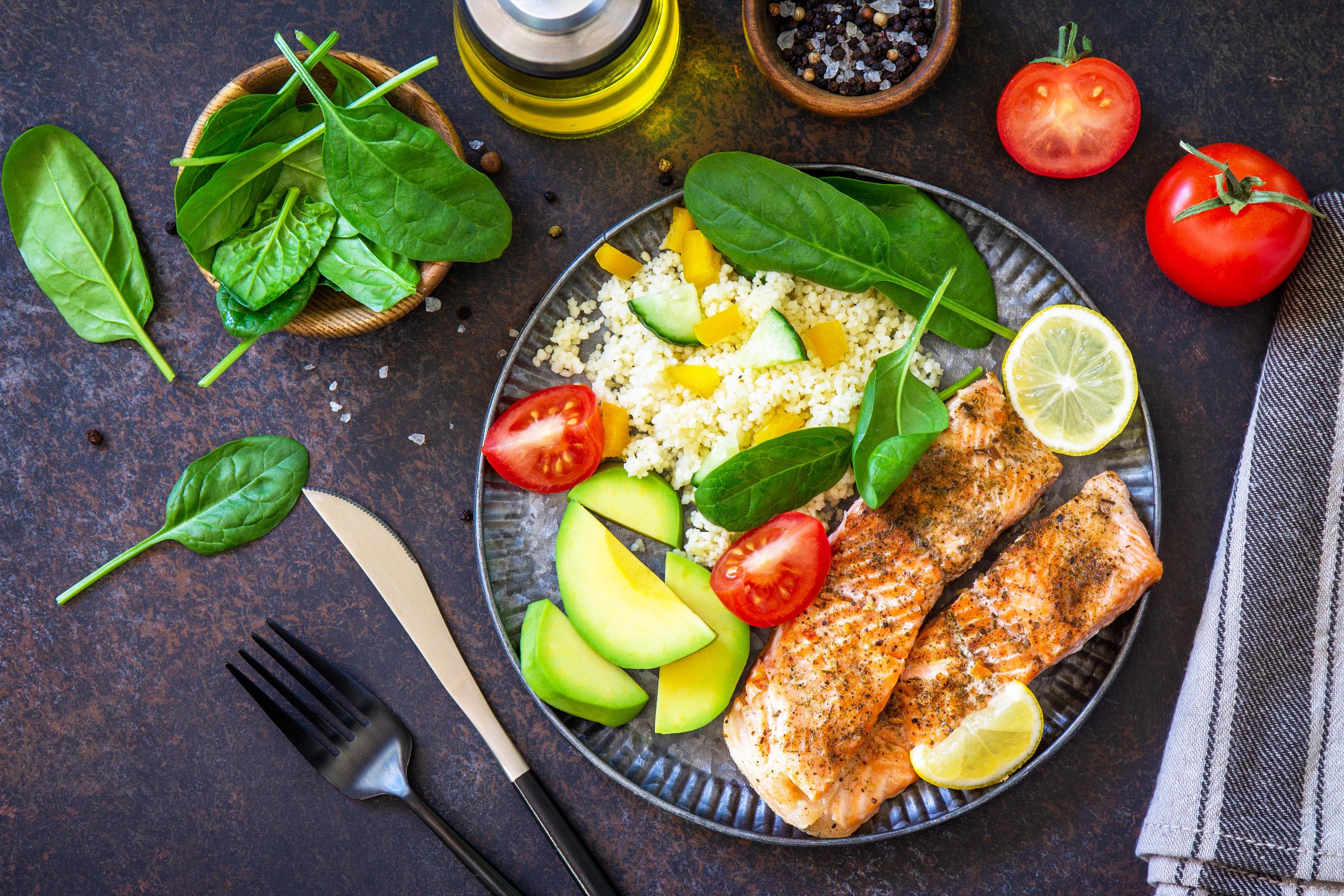
A Balanced and nutritious meal
Making sure you eat a balanced, nutritious diet will support your health long-term.
What about side effects? Will they stop you from enjoying food?
Side effects of the digestive system – that is, those affecting your stomach and intestines, like nausea, diarrhoea, vomiting, constipation and tummy pain– are relatively common with GLP-1 medications, but they are not usually severe and less than 1 in 10 people stop their treatment because of them. These side effects are more likely to happen in the first few weeks after starting treatment or when upping your dose, until your body adjusts.
If you think about how GLP-1 medications work, you can see why you might have some tummy problems. For example, keeping the food in your stomach for longer helps you feel fuller, but it can also make you feel bloated and nauseous. Eating smaller, more frequent meals, with plenty of water, is best.
If you suffer from constipation, you should make sure you eat plenty of fibre and drink lots of water.
You might also find that some foods, like fatty or spicy meals, are more likely to trigger side effects, and so you will want to avoid those.
If you are worried about any side effects, contact your dedicated Genwell wellbeing coach to discuss how you can manage them. If you have severe tummy pain that doesn’t go away, you should seek urgent medical advice.
What about going out for meals?
You absolutely can! With GLP-1 medications, you make the decisions about what to eat. Even though your appetite can change and you might be avoiding certain foods that make you feel unwell, or to manage side effects, you can still enjoy eating out with others, perhaps even more than before.
Some people find it easier to order a smaller plate instead of a main meal.
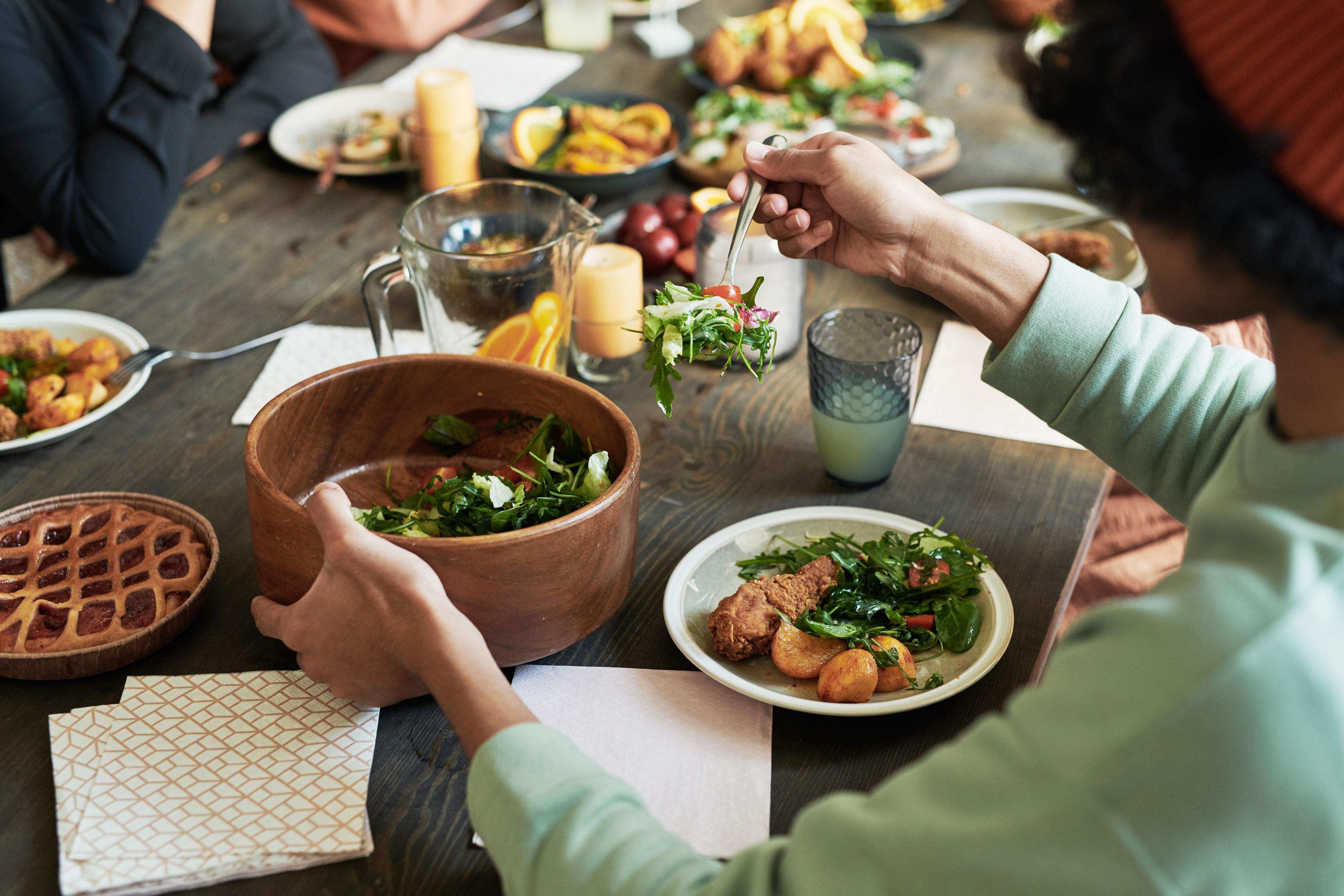
Sharing small plates on an evening out
Perhaps best of all, your food choices don’t need to be on your mind all the time anymore; order the food you want, enjoy eating it and stop when you’re full. By reducing the “food noise”, the constant overthinking about food, and the stress of making the right food choices, you can focus on spending quality time with loved ones, the conversation, the laughter – this is where the real joy of sharing a meal lies.
In summary, will GLP-1 medications affect your relationship with food?
Yes, your relationship with food may change, but rather than trying to restrict yourself or create another set of rules when it comes to food, the medication can help give you space to connect to your own needs, and the journey becomes more about nourishment and what genuinely supports you.
It can help you move away from the "all-or-nothing approach" where you are being "good" for a short period of time and help you focus on developing skills, awareness and self-compassion that can support you long-term.
And because you are in control, we hope it will be a change you’ll embrace.
And it’s not just about having good eating habits during your weight loss journey, you are building good habits for the future too; preparing you for a healthier future as you move into a stage of maintaining your weight, with or without GLP-1s medications.
So, how do you make food choices when you’re taking GLP-1 medications?
There is no one-size-fits-all when it comes to food choices for people taking GLP-1 medications – far from it!
What you choose to eat will depend on many things, like what food you enjoy, how food is eaten in your family and culture, your nutritional needs and overall health, and your management of any side effects.
We understand that choosing foods and planning meals can be complicated; there is a lot to think about! That’s why, at Genwell, we’ll make sure you have access to a wellbeing coach, who will support you to meet your nutrient goals, and other resources to help you plan your food choices for a healthy weight loss journey and a healthier future.
Key messages
Your eating habits will change:
- You’ll explore ways of eating with more intention and self-compassion, noticing patterns around food with curiosity rather than judgement
- You’ll learn to enjoy foods that support your body and help you feel well, building habits that feel sustainable for you
- You’ll explore what enjoyment, flexibility, and choice look like for you when it comes to eating out, rather than something you have to justify or earn
Disclaimer: This article is for general information only and does not replace personalised medical advice. If you’re considering treatment, please contact our care team.