


Are you thinking about whether a weight loss journey with weight loss injections – also known as GLP-1 medications – might be appropriate for you? Or maybe you are just curious to know more about this hot topic of conversation? Read on to find out more about weight loss injections; what they are, how they work, what happens when you take them and how the Genwell weight care programme works.
But before we talk about weight loss, let’s talk briefly about weight gain. Overweight and obesity might seem simple on the face of it – it happens when extra calories are stored as fat in the body. But they are complex medical conditions, impacted by many interconnected factors including genetics, hormones, behaviours, environments, sleep habits and stress levels, to name a few.
And weight loss is complex too because the biological systems that control bodyweight, appetite and eating behaviours can be altered with weight gain, making it harder to lose weight.
For many years, the weight loss message was simply “eat less and move more” with a focus on diet and exercise – these are important to achieve weight loss, but as our understanding of the science of overweight and obesity improves, we can see the benefits of looking to treatments that affect those biological control systems. So let’s take a look at these treatments in more detail.
What are weight loss injections, and how do they work?
When people talk about weight loss injections, they are referring to a group of treatments called “GLP-1 medications” that can be prescribed to help people with overweight or obesity lose weight.
You might know these injections by their brand names Wegovy (which contains semaglutide) or Mounjaro (which contains tirzepatide).
You might have also heard of Ozempic, which – like Wegovy – contains semaglutide but is primarily used for diabetes in the UK, though it has sometimes been prescribed for weight loss, for example, if Wegovy was hard to get hold of.
Semaglutide and tirzepatide mimic the natural hormones that are released after eating to help control blood sugars and send satiety (fullness) messages to the brain. Semaglutide mimics one of these hormones – GLP-1 – and tirzepatide mimics two of these hormones – GLP-1 and GIP.
By mimicking these hormones, semaglutide and tirzepatide can be used to suppress your appetite to help with weight loss. They do this by making you feel fuller, less hungry and by reducing food cravings.
What other effects do GLP-1 medications have on the body?
The first GLP-1 medications were developed over 20 years ago to help control blood sugars in people with type 2 diabetes, as they help the body produce more insulin after eating. Semaglutide has been used since 2018, and tirzepatide since 2022, in people with diabetes.
It was noticed that GLP-1 medications can also help people with overweight or obesity lose weight, and they started to be used more widely for weight loss.
Semaglutide has also shown that it can reduce the risk of a cardiovascular event (e.g., a stroke or heart attack), and that it has benefits in a serious liver disease called MASLD (metabolic dysfunction-associated steatotic liver disease) or NAFLD (non-alcoholic fatty liver disease).
But we are still learning more about the wider benefits of GLP-1 medications. They have anti-inflammatory effects, improve insulin sensitivity, and improve hormonal balance, to name just some of the benefits we know they have.
And this means we could see them playing a role in a whole range of other conditions in the future, including heart failure, neurodegenerative diseases like Alzheimer’s disease, pain management, low testosterone in men, and PCOS (polycystic ovary syndrome) in women.
The Genwell care programme is only intended for people on a weight loss journey. We can support a range of patients who have obesity or overweight (see below for details).
Who is eligible to use weight loss injections?
Weight loss injections are available on the NHS, but these are limited to those with higher BMIs and additional weight-related conditions. People who are not eligible for these injections on the NHS may still be able to use them by obtaining a private prescription if they meet specific criteria; this is how treatment is provided by Genwell.
For weight management in adults, GLP-1 medications can only be used in people with overweight or obesity, which is determined by your BMI, or Body Mass Index.
You may find there are some differences in who can be prescribed treatment between different providers. At Genwell, we aim to provide an inclusive weight management programme, and so we will consider the following groups for treatment:
- Adults with a BMI [body mass index] of 30 kg/m2 or more
- Adults with a BMI between 25 and 30 kg/m2, if they have at least one weight-related health problem (e.g., high blood pressure, high cholesterol), or if they are from a higher-risk ethnic group, or if they have not been able to lose weight by any other method previously. See here for details of higher-risk ethnic groups and here for a full list of weight-related conditions
To take the first step in checking whether you may be eligible for weight loss treatment with Genwell, you can complete our online health review. However, the decision whether to prescribe a GLP-1 medication is one that a healthcare professional will only make if it is appropriate for the individual, after considering all relevant information. An additional consultation with a doctor may be needed to assess suitability for treatment.
What is the difference between Wegovy and Mounjaro?
We’ve already covered the main difference between these two treatments – Wegovy contains semaglutide, and Mounjaro contains tirzepatide – but what else do you need to know?
Differences in weight loss: Wegovy and Mounjaro have been studied in separate clinical trials in people with overweight or obesity. In these studies, people were given weight loss injections, reduced their calorie intake and increased their exercise.
- In studies of Wegovy, average weight loss was ~15% of bodyweight
- A more recent study, carried out in people with obesity, showed a weight loss of almost 19% of bodyweight when using the highest dose of Wegovy (7.2 mg)
- In studies of Mounjaro, average weight loss was ~20% of bodyweight
Differences in uses: Both Wegovy and Mounjaro are used for weight management in adults. However:
- Wegovy can also be used to reduce the risk of a cardiovascular event (e.g., stroke or heart attack) in adults with overweight or obesity
- Mounjaro can also be used to manage adults with type 2 diabetes.
Note that semaglutide can be used to manage adults with type 2 diabetes, but using the Ozempic branded medicine, rather than Wegovy
Importantly, the Genwell care programme is only suitable for weight management in adults.
Differences in using oral contraceptives: Neither Wegovy nor Mounjaro should be used in pregnancy – in fact, you should wait for 2 months after stopping treatment with a GLP-1 medication before you try to get pregnant – so it is essential for women to use effective contraception during treatment, if they are sexually active. Things to note:
- Wegovy can be used with oral contraceptives. However, if someone experiences vomiting or diarrhoea, this can reduce the reliability of the contraceptive, and the need to use extra precautions would apply
- If using Mounjaro with oral contraceptives, extra precautions should be taken (e.g., using condoms) for 4 weeks after the first treatment and after every dose increase. Again, any vomiting or diarrhoea could also affect the reliability of the oral contraception.
Differences in dosing options: Both treatments are available in a range of doses.
- Wegovy is available in six different doses from 0.25 mg to 7.2 mg – note the 7.2 mg dose is only for those with obesity
- Mounjaro is available in six different doses from 2.5 mg to 15 mg
The amount of medicine in Wegovy and Mounjaro doses should not be compared because they contain different medications that need different amounts to be safe and effective.
Different people will also need to use different doses to achieve their goals. At Genwell, we follow a structured, doctor-led dosing plan that is designed to support effective, sustainable weight loss while minimising side effects. You can learn more about our dosing plan in more detail here.
Differences in cost: The cost of weight loss injections depends on which treatment you are prescribed and the dose you take. Mounjaro tends to be more expensive than Wegovy, and for both treatments, the costs rise as the doses increase.
These are just some of the differences between the two treatments. Treatment decisions will take into consideration the full information available.
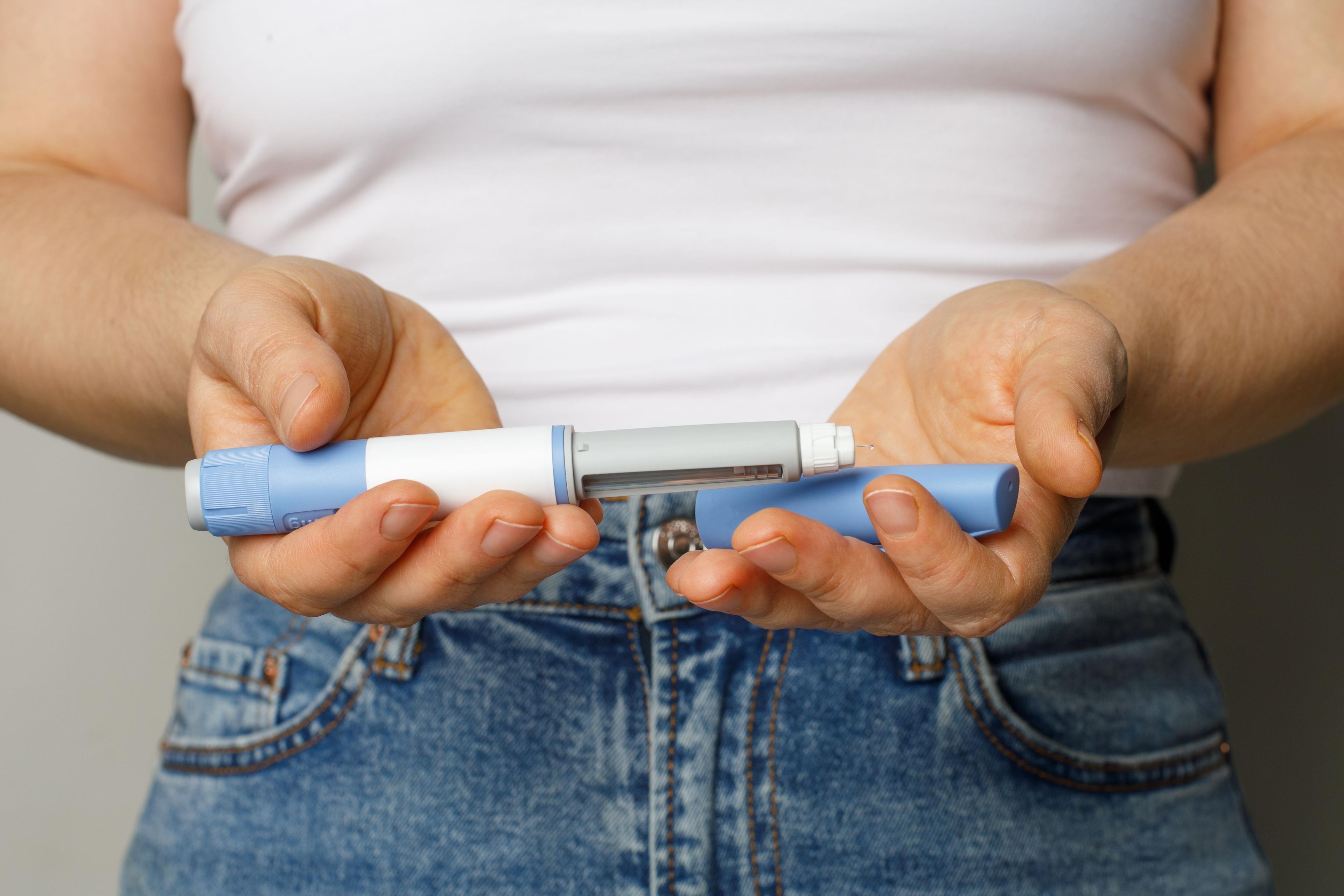
Patient preparing medications
Which weight loss treatment is best for you?
There is no simple answer to this one; the best treatment for you will take into account your overall health, your weight loss goals and your budget. It is a decision that should be agreed with a healthcare professional, who can prescribe treatment if it is appropriate.
If you’re part of the Genwell care programme, your doctor will carry out a holistic review of your overall health, wellbeing, habits and preferences to help create a weight loss journey that considers not only the best weight loss approach for you, but also how to help you achieve lasting changes for a healthier future. This might include looking at your sleep habits, stress and hormonal balance.
Your Genwell wellbeing coach will guide you through this journey, there to help every step of the way, offering ongoing, personalised support as you navigate changes to eating habits, routines, mindset, and your relationship with food.
How are weight loss injections given?
Weight loss injections are given as a subcutaneous (under the skin) injection, in areas like the stomach (at least 5 cm away from your belly button), the front of the upper thighs or the back of the upper arms. You give these injections to yourself – that might sound daunting, but it’s pretty straightforward, and you can ask someone to help you, especially if you’re injecting the back of your arms.
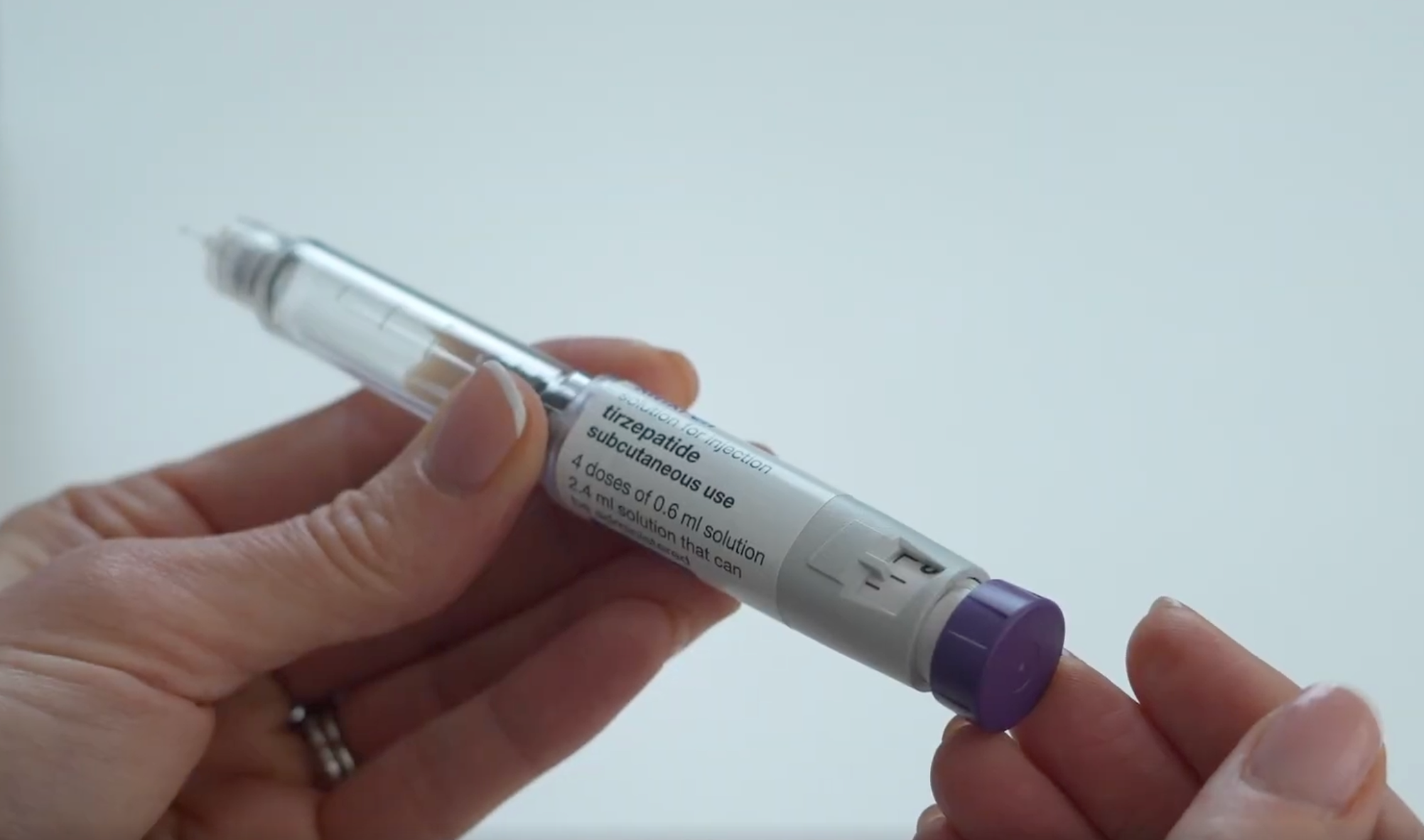
Injection pen in hands
Both Wegovy and Mounjaro come in pre-filled self-injector pens, designed to make self-injecting as easy as possible. Each pack comes with detailed instructions on how to use the injector pen that you should follow carefully.
Injector pens should be stored in the fridge until you are ready to use them. After you have used a pen for the first time, you can keep it out of the fridge (below 30 °C). Each pen contains four doses – enough for four weeks – before your first injection, you should choose a day of the week to give your injection. Choose a day when you can easily build it into your weekly schedule, so you won’t forget.
As side effects with GLP-1 medications can be more likely when you start treatment, or when your dose is increased (see the information below), you might want to choose a time of the week when having side effects would be more manageable, just in case you have them.
If you find that you need to change your injection day after you’ve started treatment, that is possible too.
If you’re part of the Genwell care programme, our wellbeing coaches are on hand to answer any questions, so you never need to worry about whether you are giving the injections correctly.
Are GLP-1 medications safe to take?
GLP-1 medications are generally considered safe for most people; however, as with all medicines, there will be cases where GLP-1 medications should not be used, and that is why a consultation with a healthcare professional is essential before starting treatment. Consultation with a Genwell doctor is available to anyone in the Genwell care programme, and is essential for some people, such as those with a more complex medical history.
The most common side effects of GLP-1 medications affect the digestive system – like nausea, diarrhoea, constipation and vomiting. But these are usually not serious and are more likely to happen in the first few weeks after starting treatment or when upping your dose, until your body adjusts. Our team of experts at Genwell can help you navigate these side effects, finding ways to help you feel well throughout your journey. Rarely, more serious side effects can occur, which require medical attention.
Unfortunately, there have been some cases of fake GLP-1 medicines being sold through beauty salons or social media. These products are not safe to take. You should only use GLP-1 medications that have been prescribed by a healthcare professional and provided by a legitimate company.
Also, supplements and patches that may refer to “GLP-1” in the name or on the packaging do not necessarily contain the GLP-1 medicine and are unlikely to be clinically active in the body once absorbed through the skin or gut. As there is a lack of evidence to support their use, we would recommend that these be avoided.

Friends supporting each other towards healthier weight management
What to expect when you start treatment
Using GLP-1 medications does not result in instant weight loss; it takes some time. You might feel the effects of the medication quite quickly, but it takes a little longer to see the results in your body weight. In clinical studies of Wegovy and Mounjaro, weight loss was seen from week 4 of treatment.
The first few weeks of starting treatment with a GLP-1 medication are all about adjustment, finding out what works for you, and building new, healthier habits for the future.
- Some people may have side effects as their body adjusts to the medication
- You might start to notice some changes in your appetite. You’ll start to feel full after smaller meals and have less hunger and fewer cravings. This will help you take control over your appetite and eating habits, giving you the space to eat the way you want to and focus on nourishing your body
- When you are ready, you should also try to increase your exercise levels, including adding some resistance training to your routines
After these early stages of adjustment, it's all about making steady progress at a healthy pace.
Do you need to change your GLP-1 medication dose?
If you are prescribed Wegovy or Mounjaro, you will start treatment on the lowest dose. This gives your body a chance to get used to the medication and see how you respond to it.
At Genwell, we follow a structured, doctor-led dosing plan that is designed to support effective, sustainable weight loss while minimising side effects, and this means we don’t always recommend dose increases every four weeks. Whether your dose is increased will depend on a number of factors, including which medication you are taking, your overall health and your weight loss goals. You can see details of the Genwell dosing plans for Wegovy and Mounjaro here.
You won’t need to reassess your dosing plan every month unless something needs to change. At the same time, your care remains flexible - your doctor can review and adjust your dose based on how you’re responding, and you can request changes whenever you need to.
But remember, weight management medication is just one part of the bigger picture; our holistic approach – helping you improve your nutrition, movement, stress management, sleep habits and more – all contribute to shaping your weight loss journey and building lifestyle changes for the future. By tackling all of these additional factors, you may find you need a lower dose of treatment to achieve your goals, and for some, this may allow you to maintain your weight without medication for periods of time, or even long-term.
What impact can these other factors have?
GLP-1 medications are a useful tool in weight management, but they are not the whole story. Every weight loss journey is unique, based on individual health and wellbeing needs and personal preferences. Some of the things to consider are:
Diet and nutrition: To achieve weight loss, you will need to make changes to improve your diet. GLP-1 medications help you achieve this by making you feel fuller on smaller portions and reducing feelings of hunger and cravings. But because you will likely be eating less food, you’ll want to make sure that the food you do eat gives you all the nutrients your body needs for a healthy weight loss journey.
Movement: When taking GLP-1 medications, you should aim to increase the amount of exercise you do – and include some resistance training – to achieve your weight loss goals in a healthy way. Ideally, try to find something you enjoy, that works for your body and fits into your routine. As you lose weight, your ability to exercise may improve, and so your exercise programme may change over time.
Sleep, stress, hormones and more: Overweight and obesity are complex medical conditions, affected by many factors. GLP-1 medications can help with appetite control to help you improve your diet, but there are many other factors you can look at, like quality of sleep, stress levels and hormonal changes that can all affect weight loss and overall health and wellbeing.
So, it’s not just as simple as taking the injections. Starting treatment with a GLP-1 medication may be the first step, but it is important to create healthy habits that not only support you in your weight loss journey but also help you build meaningful, lasting change for a healthier future.
If you’re part of the Genwell care programme, you will have access to a dedicated team of experts who will take a holistic view of your health and wellbeing to help you make positive changes for the future.
Key Messages
- Overweight and obesity are complex medical conditions, and their management is not straightforward; if suitable, GLP-1 medications can be used, alongside improvements in diet and exercise, to achieve weight losses of up to around 20%
- GLP-1 medications mimic hormones involved in controlling blood sugars and appetite; they were used in diabetes management before being used in weight management. Semaglutide has been used since 2018, and tirzepatide since 2022. We are still learning more about their wider benefits in the body
- The two GLP-1 medications licensed for weight loss in the UK are Wegovy and Mounjaro; there are some differences between them, but all treatment decisions should be agreed with a healthcare professional based on overall health, wellbeing, weight loss goals and personal preferences
- If you’re using a GLP-1 medication, such as Wegovy or Mounjaro, and you’re part of the Genwell care programme, we can help you develop healthy habits for meaningful, lasting change to your health and wellbeing
Want to learn more?
The decision to use a medicated weight loss treatment can only be made with a healthcare professional after a full assessment. If you are considering this approach, Genwell is here to support you. With a team of doctors and wellbeing coaches, with expertise in exercise, nutrition, hormones and more, we can guide and support you through a journey to a healthier future.
Disclaimer: This article relates to adults and is for general information only and does not replace personalised medical advice. If you’re considering treatment, please contact our care team.